

The short version
- A professional wedding officiant typically costs $200 to $450, averaging around $300 for a custom-written ceremony.
- Major metros and bespoke ceremonies run $400 to $800 and up; a city-hall civil ceremony can be under $100.
- Rehearsal attendance is often extra, at $100 to $200.
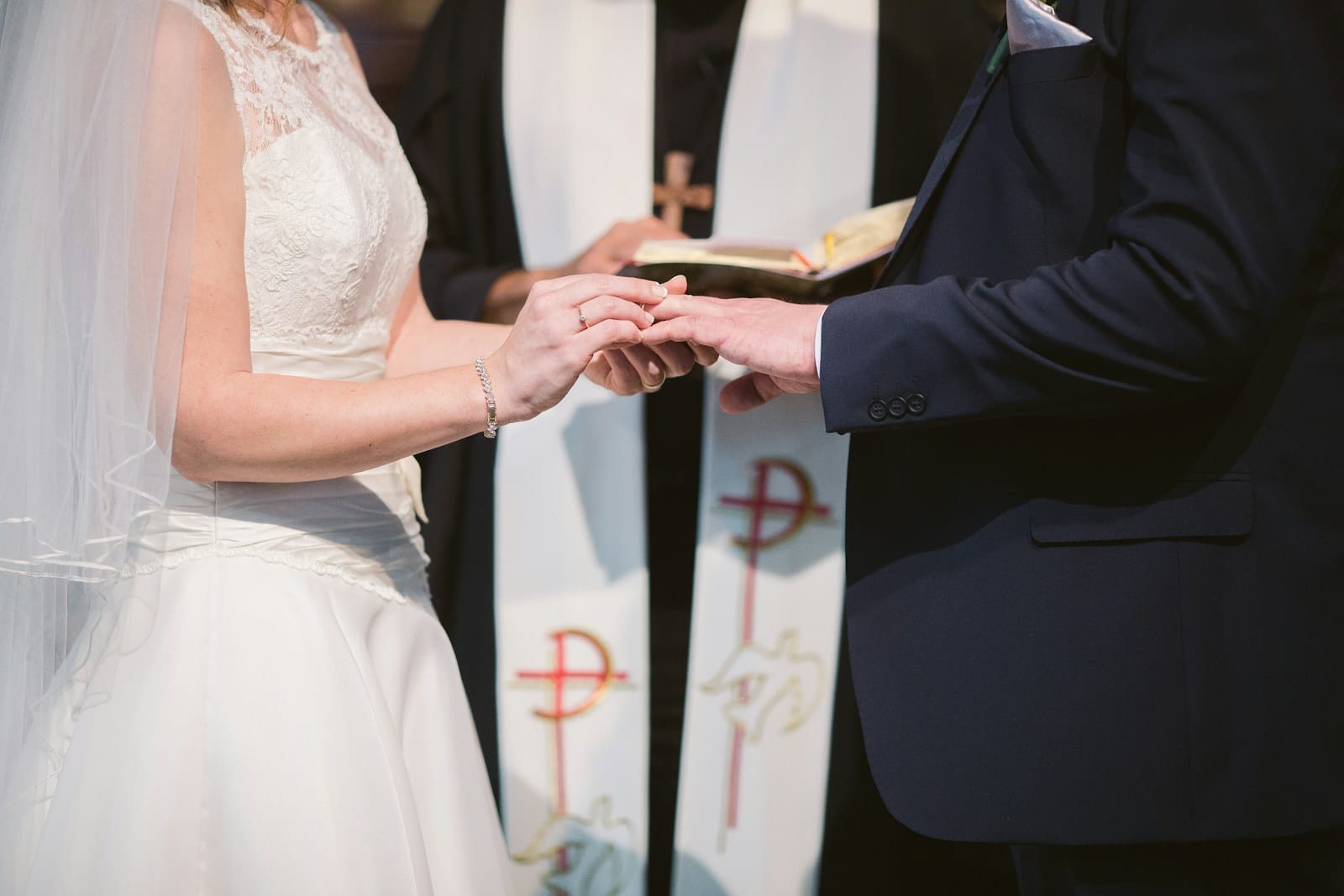
A professional wedding officiant in the US typically costs $200 to $450, averaging around $300 for a custom-written ceremony. Major metros and bespoke ceremonies run $400 to $800 and up; a city-hall civil ceremony can be under $100; a religious officiant usually asks a donation to the institution of $200 to $1,000 plus travel. Here is what each figure buys, what a friend officiating actually costs, and the one thing to confirm before any of it.
What the fee covers
A professional officiant's fee usually includes a planning meeting, a ceremony written for you (as opposed to a template with your names dropped in), the ceremony itself, and filing the license afterwards. Often extra: rehearsal attendance ($100–200), travel beyond a set radius, and premarital sessions where your tradition requires them. Ask for a full ceremony video, not a clip — this is the voice narrating the most-watched 25 minutes of your life.
The four kinds of officiant, priced
- Civil. A judge, clerk or justice of the peace at the courthouse: the cheapest route, often under $100, with a short standard script and little room for personal vows (how to elope walks through the courthouse process).
- Professional secular or interfaith. The $200–450 range with a custom ceremony included, rising to $400–800 and up in big cities and for bespoke, bilingual or interfaith ceremonies, which are a real skill.
- Religious. A donation to the church, synagogue, mosque or temple ($200–1,000) plus travel, often with a requirement of membership or premarital counselling — check the requirements early; some programs take months.
- A friend or relative. Ordination online is cheap or free, so the cost is the gift you give them — but the legal question below is theirs to answer, and writing a ceremony is harder than it looks (the vow examples and traditional texts are a start).
The one thing to confirm
Legal authority in the jurisdiction where you are marrying. Rules differ by state, county and country: some places do not recognise online ordination, some require the officiant to register first, and a ceremony performed by someone without authority is a party, not a marriage. Confirm it with the county clerk rather than the officiant, and confirm who files the license afterwards.
When to book
Book 6 to 9 months out — longer if your faith requires a counselling program. The officiant lands in the seven-month block of the planning checklist, and the marriage license is its own task: check the waiting period and the validity window with your county clerk, because licenses expire.
Finding one
Officiants seldom have storefronts, which makes them the hardest vendor to find in any directory, ours included. The two best sources are your venue coordinator and your photographer, who watch officiants work every weekend. The Genie can research candidates in your city with sources and draft the questions — legal authority, ceremony writing process, rehearsal cost, who files the license — as one email.
Figures are typical US ranges, not quotes — the same ranges our planning assistant uses in chat.